
EV Chargers
With the UK Government announcing its goal of becoming a net-zero emissions economy by 2050 we will all have a part to play. With this in mind, the Government has put in place a ban on the sale of cars and vans powered entirely by petrol and diesel by 2035.
This will mean that over the coming years many homeowners in the UK make the switch to either a fully electric or hybrid vehicle. An EV charger at home is essential to ensure that their vehicle remains charged and useable to allow homeowners to continue to go about their daily lives as normal.
There is a range of EV Chargers all with different features. The guide below will give you more information on what may be best and most suitable way for you to charge your electric vehicle.
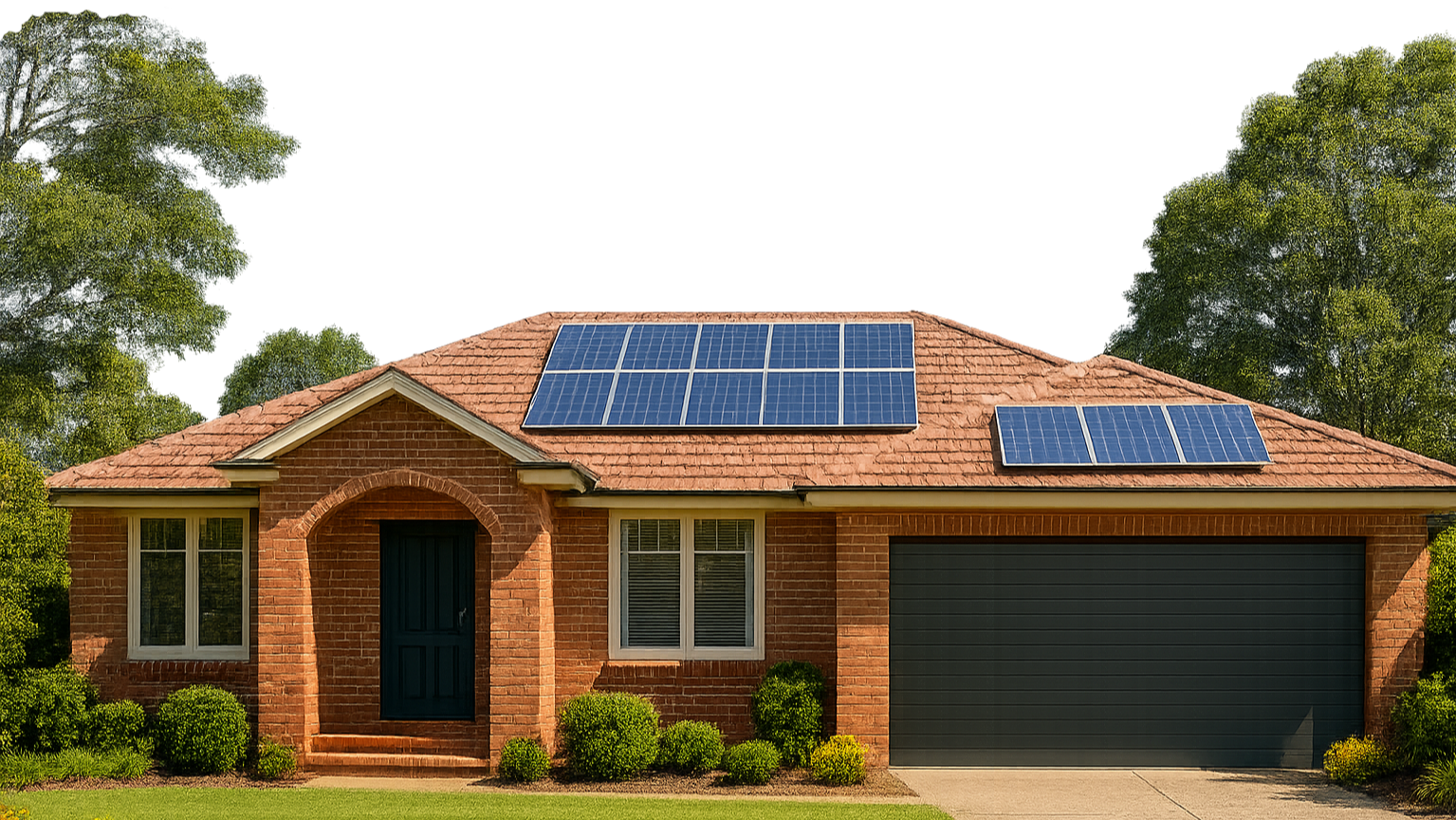
OUR ELECTRIC VEHICLE CHARGERS
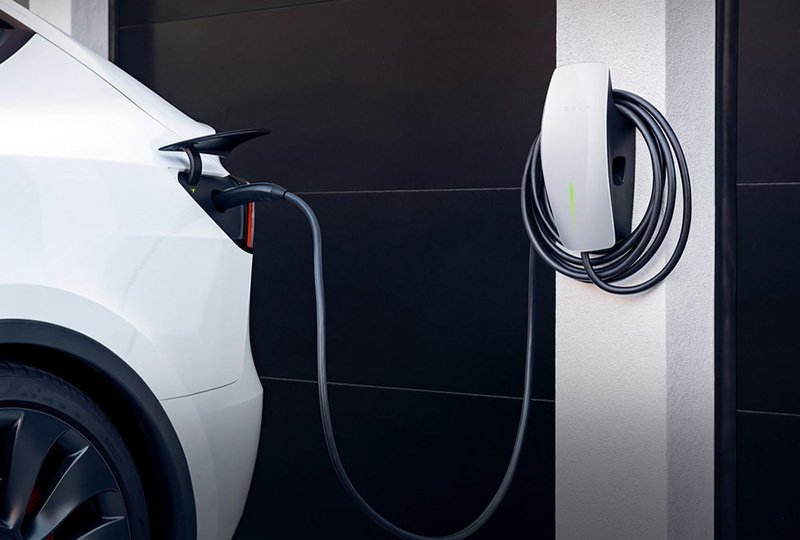
Elevate your Tesla experience with the Tesla Wall Connector! Designed for seamless integration, it delivers rapid charging and efficient power to your electric vehicle. Enjoy the convenience of home charging, while its sleek design complements your space. Upgrade your charging game with the Tesla Wall Connector—empowering your electric journey effortlessly!
Best Feature: Rapid Charging Speed – Tesla's Wall Connector offers a charging speed of up to 44 miles of range per hour, providing one of the fastest charging solutions available for Tesla electric vehicles.
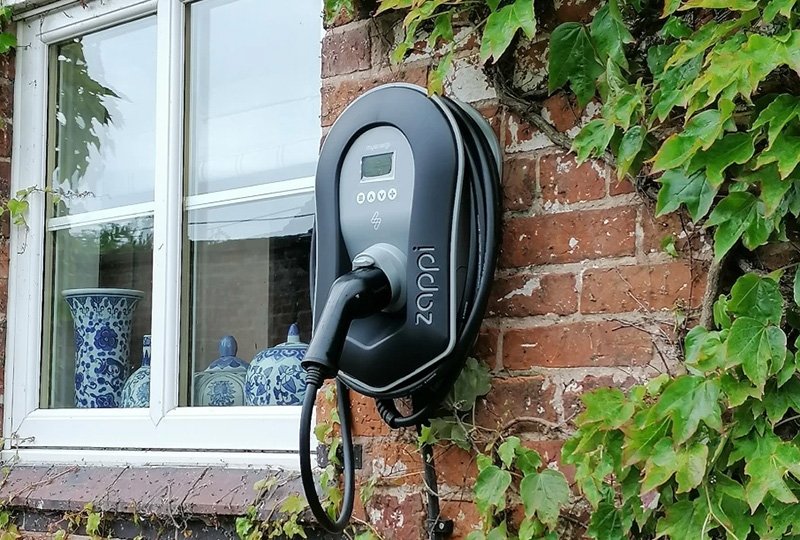
Supercharge your green lifestyle with Zappi V2 by myenergi! This intelligent electric vehicle charger seamlessly integrates with renewable energy sources, maximising eco-friendliness. Enjoy lightning-fast charging, smart connectivity, and the ability to harness solar power. Take control of your energy future—drive sustainably with Zappi V2.
Best Feature: Intelligent Connectivity – Zappi V2 boasts intelligent connectivity, allowing for seamless integration and control via smartphone, ensuring efficient and convenient electric vehicle charging.
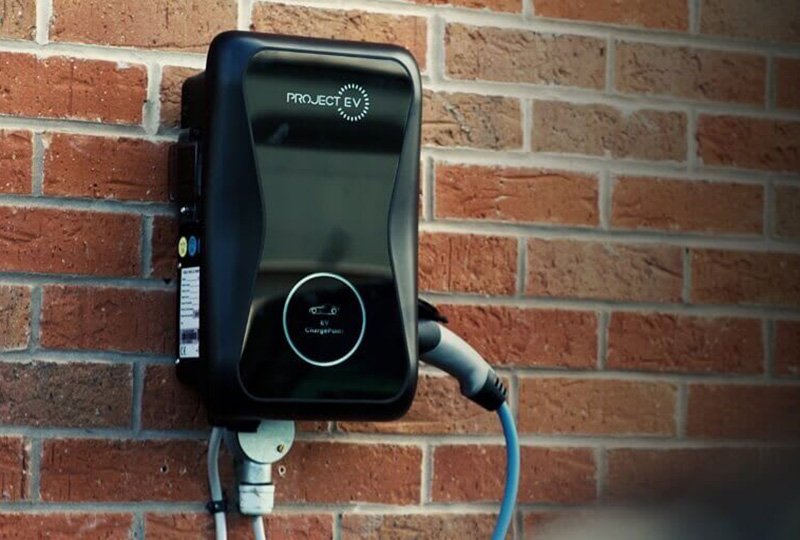
Transform your EV charging experience with the EVA-07S-S Pro Earth by Project EV! Unleash powerful, efficient charging for your electric vehicle. Packed with smart features and eco-conscious technology, it's the key to a greener future. Upgrade to premium charging—EVA-07S-S Pro Earth, where sustainability meets innovation. Drive smarter, charge better!
Best Feature: Stylish Design with Earthy Features – EVA-07S-S Pro Earth combines a sleek design with eco-friendly features, using over 90% recyclable materials, making it a stylish and sustainable choice.
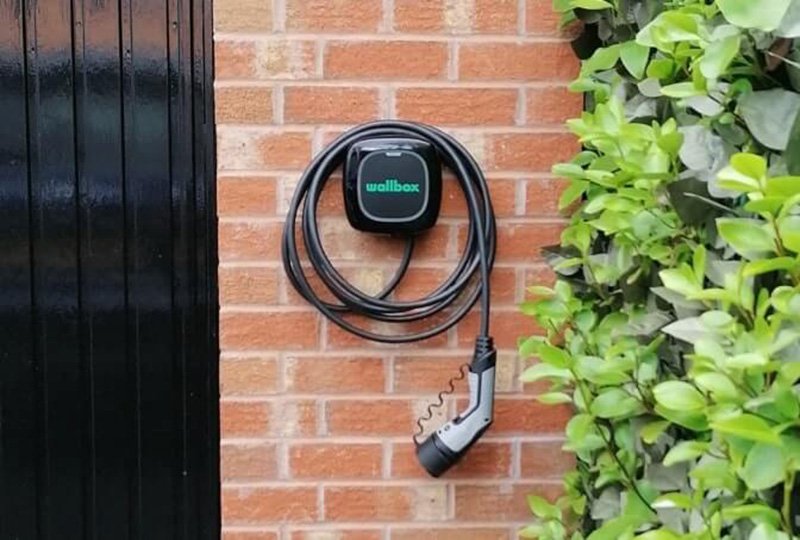
Revolutionise your electric driving experience with the Wallbox Pulsar Plus! This compact, smart charger combines speed and style, delivering fast, reliable charging for your EV. Packed with intelligent features and sleek design, it's the ultimate solution for hassle-free home charging. Elevate your journey—discover the Pulsar Plus advantage today!
Best Feature: Compact Efficiency – Wallbox's Pulsar Plus combines compactness with power, offering up to 40 miles of range per hour and becoming an unobtrusive yet potent electric vehicle charging solution.
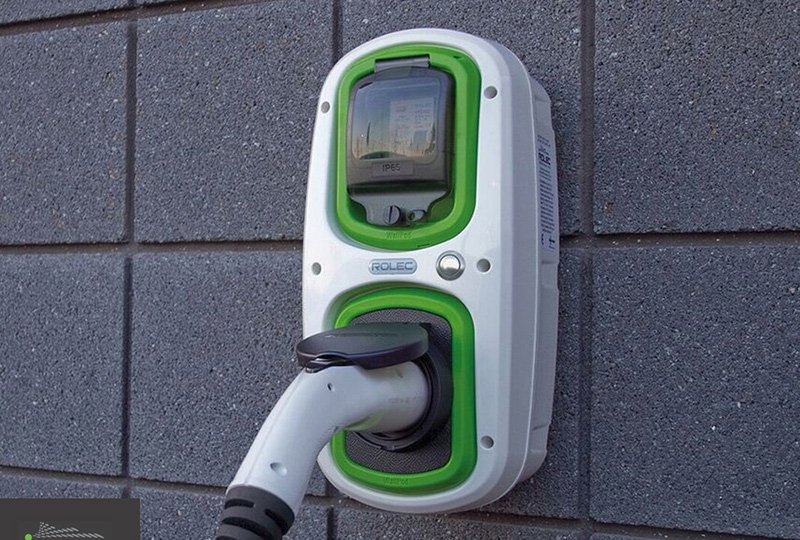
Unleash the future of EV charging with Rolec Smart EV Charger! Intelligent, reliable, and connected, it redefines convenience. Effortlessly monitor, schedule, and optimise your charging experience. Elevate your electric journey with cutting-edge technology. Invest in the smart choice for a seamless and eco-friendly driving future!
Best Feature: Versatile Charging Options – Rolec's Smart EV Charger offers versatile charging options, accommodating various electric vehicle models, and has a global presence with over 150,000 units installed worldwide.

Experience premium electric vehicle charging with EO Mini Pro! This compact and stylish charger combines speed with convenience, ensuring your EV is always ready for the road. With smart connectivity features and user-friendly design, Mini Pro by EO is the key to effortless and efficient home charging. Drive into the future today!
Best Feature: Compact and Stylish Design – EO's Mini Pro combines compactness with style, installed in over 40 countries. Its sleek design and compact form make it a stylish electric vehicle charging solution.
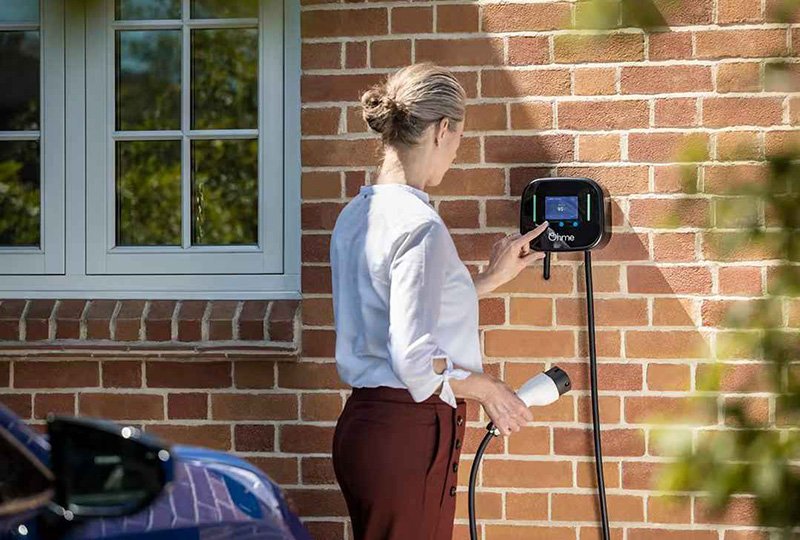
Charge smarter with Ohme Fixed Wall Charger! This sleek and intelligent charger offers seamless integration into your home, ensuring your EV is powered up efficiently. With smart energy management, it adapts to your lifestyle and maximises savings. Upgrade to the future of charging—Ohme Fixed Wall Charger, where innovation meets practicality!
Best Feature: Elevated Charging Efficiency with Smart Energy Management – Ohme Fixed Wall Charger enhances charging efficiency with adaptive charging technology and has saved users over 300,000 kg of CO2 emissions by optimising energy usage and reducing bills.
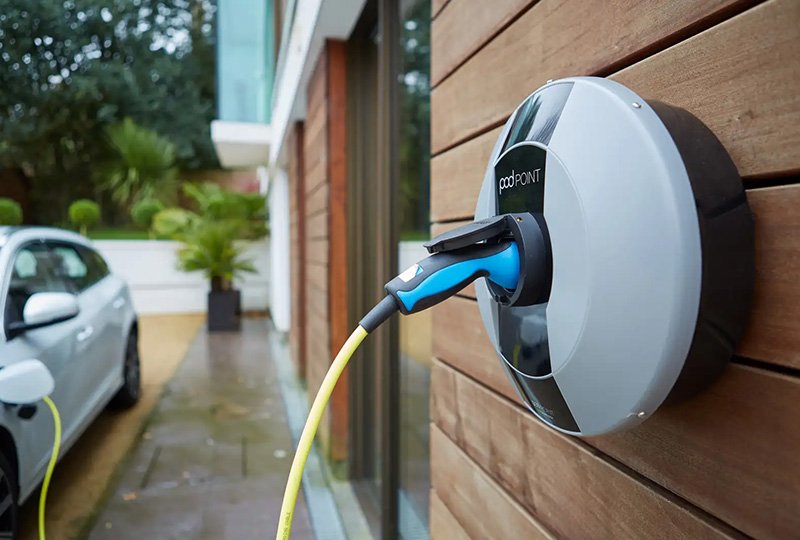
Unleash the power of simplicity with Pod Point! This compact and efficient EV charger transforms your home into a charging haven. Experience hassle-free, speedy charging with intuitive features and smart connectivity. Pod Point is your passport to a greener, smarter, and more convenient electric driving experience. Upgrade now and drive into the future!
Best Feature: Convenient Home Charging with Fast and User-Friendly Features – Pod Point offers convenient home charging, with over 150,000 home chargers installed, providing over 600 million miles of electric driving, establishing itself as a reliable and efficient home charging solution.
Important Factors Related To EV Chargers
Electrical Capacity and Compatibility:
Ensure your homes electrical capacity can support an EV charger. An electrician will assess your electrical panel and determine if upgrades are needed. Additionally, choose a charger compatible with your vehicles requirements to guarantee optimal charging speed and efficiency.
Installation Location:
Select an appropriate location for the charger, considering factors like proximity to the electrical panel, available space, and ease of access. Outdoor installations may require weatherproofing, while indoor installations should prioritise convenience and safety. Adequate ventilation is crucial to dissipate any heat generated during charging.
Smart Features and Connectivity:
Opt for a charger with smart features and connectivity options. Smart chargers often allow remote monitoring, scheduling, and energy management through a mobile app. This ensures you can optimise charging times, take advantage of off-peak rates, and monitor energy consumption for a more cost-effective and efficient charging experience.
